
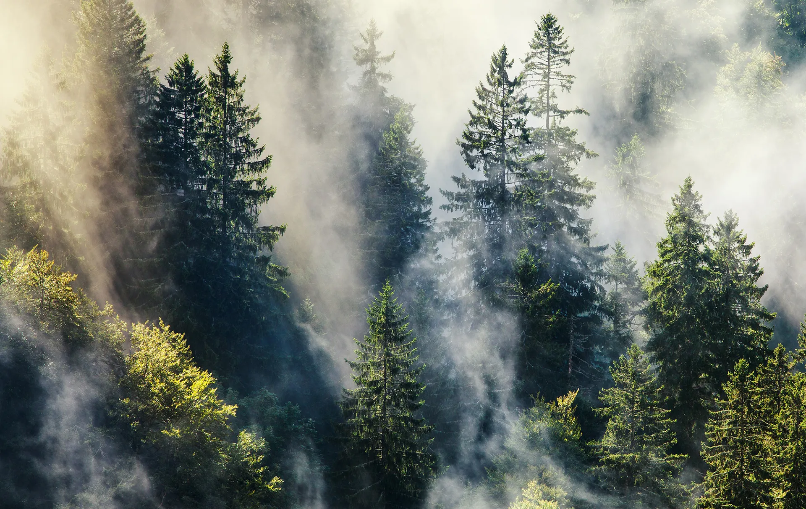
Located at the northwest base of Mount Fuji, Aokigahara Forest—also known as the Jukai (Sea of Trees)—is one of the most beautiful yet misunderstood places in Japan. Spanning 35 square kilometers of hardened lava, the forest is a geological marvel. However, it is also internationally infamous for its tragic reputation as the “Suicide Forest,” a complex legacy that local authorities are working hard to change in 2026.
The Volcanic Origin of the Sea of Trees
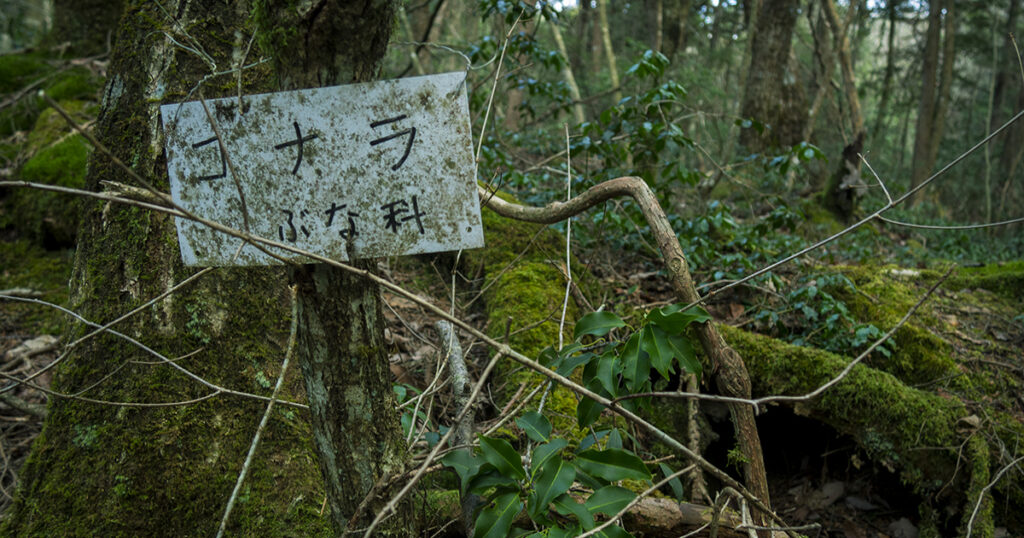
The forest was formed on a massive bed of cooled lava from Mount Fuji’s eruption in 864 AD. This created a surreal landscape where roots cannot penetrate deep into the ground, causing trees to twist and crawl across the rocky surface. The high iron content in the volcanic soil is known to interfere with compasses, adding to the forest’s reputation as a place where one can easily become disoriented.
Cultural Mythology: The Haunting of the Yurei
In Japanese folklore, Aokigahara has long been associated with Yurei (restless ghosts). Legends suggest the forest was once a site for ubasute—a mythical practice where the elderly were left in the woods during times of famine. While historians debate the reality of ubasute, the stories have left a lasting mark, painting Aokigahara as a place where the barrier between the living and the dead is thin.
Understanding the Dark Reputation & Prevention Efforts
Aokigahara’s nickname as the “Suicide Forest” comes from a high rate of annual suicides within its bounds. However, in 2026, the narrative is shifting toward prevention and preservation. Signs are posted throughout the forest entrance with messages of hope, such as: “Your life is a precious gift from your parents.”
- Regular Patrols: Local police and volunteer organizations conduct daily patrols to assist individuals in distress.
- Media Sensitivity: To discourage the “copycat” effect, Japanese authorities no longer publish official suicide numbers for the forest.
- Community Support: Efforts are focused on providing mental health resources rather than sensationalizing the tragedy.
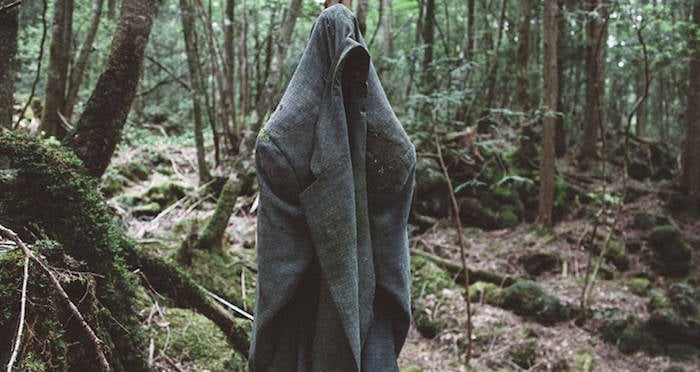
The Ethical Challenge: The “dark tourism” allure of Aokigahara remains a point of controversy. While many come to pay respects or witness the “eerie” atmosphere, the local community urges visitors to remember that this is a site of real human tragedy.
Hiking and Exploration: The “Sea of Trees” Nature Trail
Beyond the ghost stories, Aokigahara offers some of the best hiking in the Fuji Five Lakes area. If you stay on the marked trails, you can explore incredible geological features, such as the Narusawa Ice Cave and the Fugaku Wind Cave, which stay frozen even in the summer.
| Visitor Info | Details |
|---|---|
| Best Time to Visit | Spring (Cherry Blossoms) or Autumn (Fall Colors) |
| Safety Tip | Always stay on the marked walking paths to avoid getting lost. |
| Access | Take the ‘Blue Line’ bus from Kawaguchiko Station. |
Frequently Asked Questions
Is it legal to visit Aokigahara?
Yes, the forest is a public national park. Visitors are encouraged to explore the designated hiking trails.
Do compasses really fail in the forest?
The magnetic iron in the volcanic soil can cause compass needles to fluctuate, but it won’t spin them wildly. However, it’s enough to disorient hikers who aren’t using GPS or staying on trails.
Are there guided tours?
Yes. Guided eco-tours are highly recommended. They focus on the unique flora, fauna, and geological history of the lava flows.
Conclusion: A Place of Deep Reflection
Aokigahara Forest is a place of duality. It is a stunning natural sanctuary and a site of deep cultural sorrow. By approaching the “Sea of Trees” with respect for both its ecology and its history, visitors can experience one of the most enigmatic locations in the world. For more information on visiting respectfully, visit the official Aokigahara Forest resource.